What do you have to build from?
Pick the space you have. We show the ADU types that usually fit it, and the pages that explain each one.
A garage is the quickest space to turn into a home, and a detached one can sometimes carry a second story.

Garage conversion, backyard unit or junior ADU: see what fits your lot, what Los Angeles allows and what it costs before you call.
A backyard home is a six-figure decision. Read the rules and the cost ranges first, then call for a site visit and a written price.
Pick the space you have. We show the ADU types that usually fit it, and the pages that explain each one.
A garage is the quickest space to turn into a home, and a detached one can sometimes carry a second story.
A garage full of boxes, a backyard nobody uses, a back house with no permit. Each one could be a home for a parent, an adult child or a renter, and each one raises the same first question for anyone hiring an ADU builder in Los Angeles: what do the rules actually let me build? California limits what a city can require, including a side and rear setback of no more than 4 feet and a 60-day clock on a complete application (HCD ADU Handbook, March 2026). Those limits bind the city. They do not promise that your lot works.
So we start with your lot. We ask where the space is, how the utilities run, whether a slope or a fire zone is involved and which building department covers your address. Then we explain which kind of ADU on this site fits, give you a planning cost range and write the real price down after a site visit. Sometimes the answer is the cheaper one.
The first six kinds of ADU work are below. Each page says what to check first and what moves the cost.
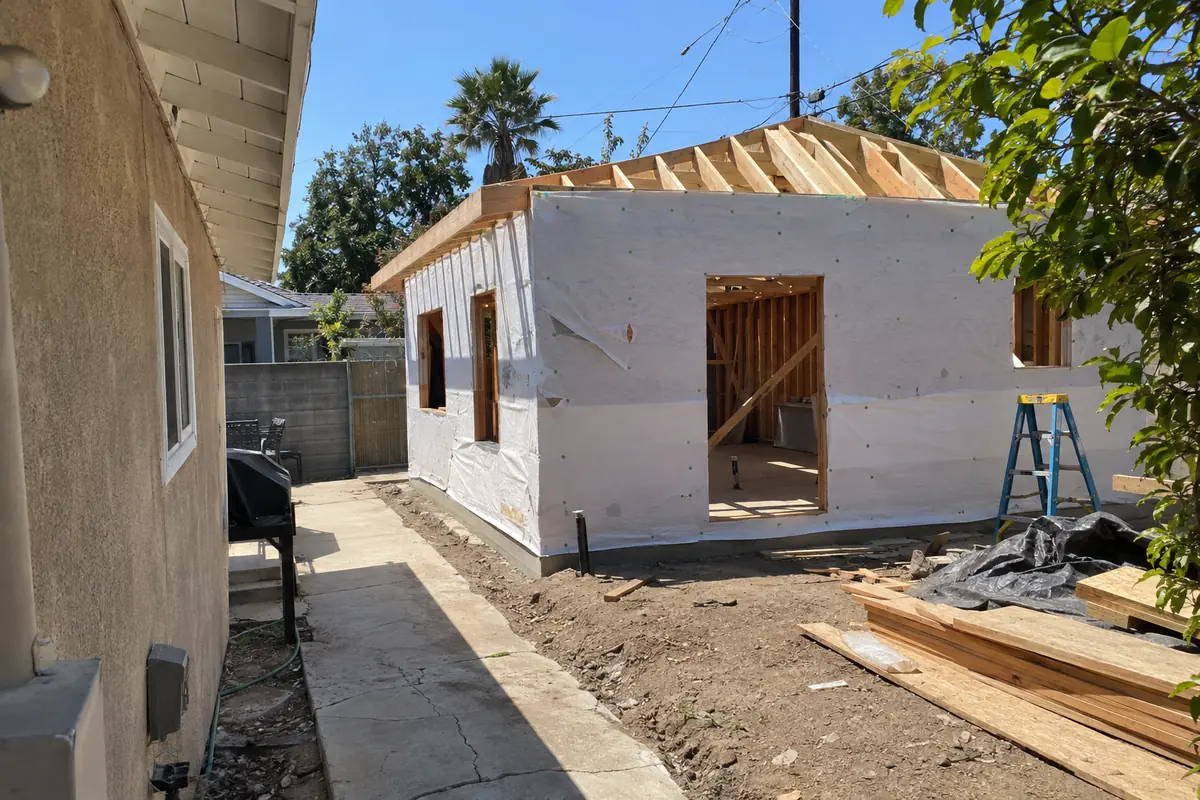
A backyard home starts with setbacks, a sewer line and a gate wide enough for a mini excavator. Learn what your lot allows before you call.
More on detached adu construction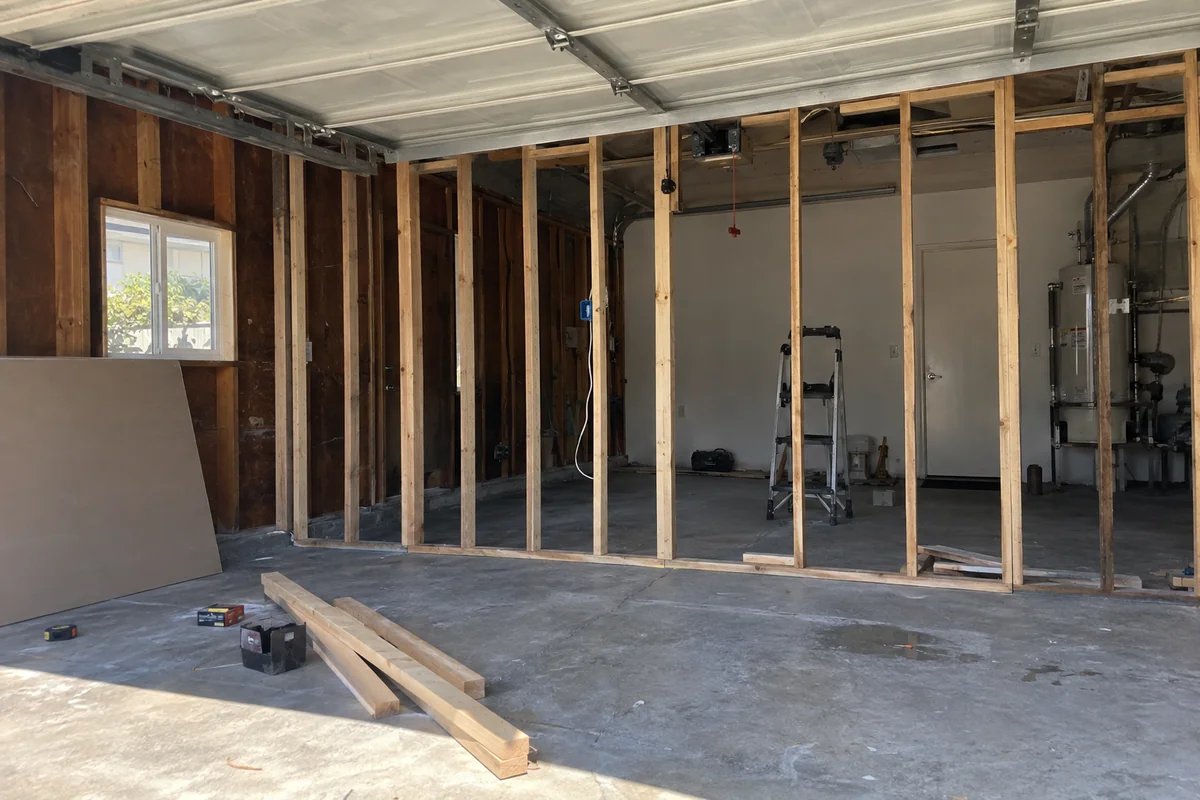
A garage was built to hold a car, not a household. Find out what the slab, the walls and the panel need before you price the conversion.
More on garage conversion adus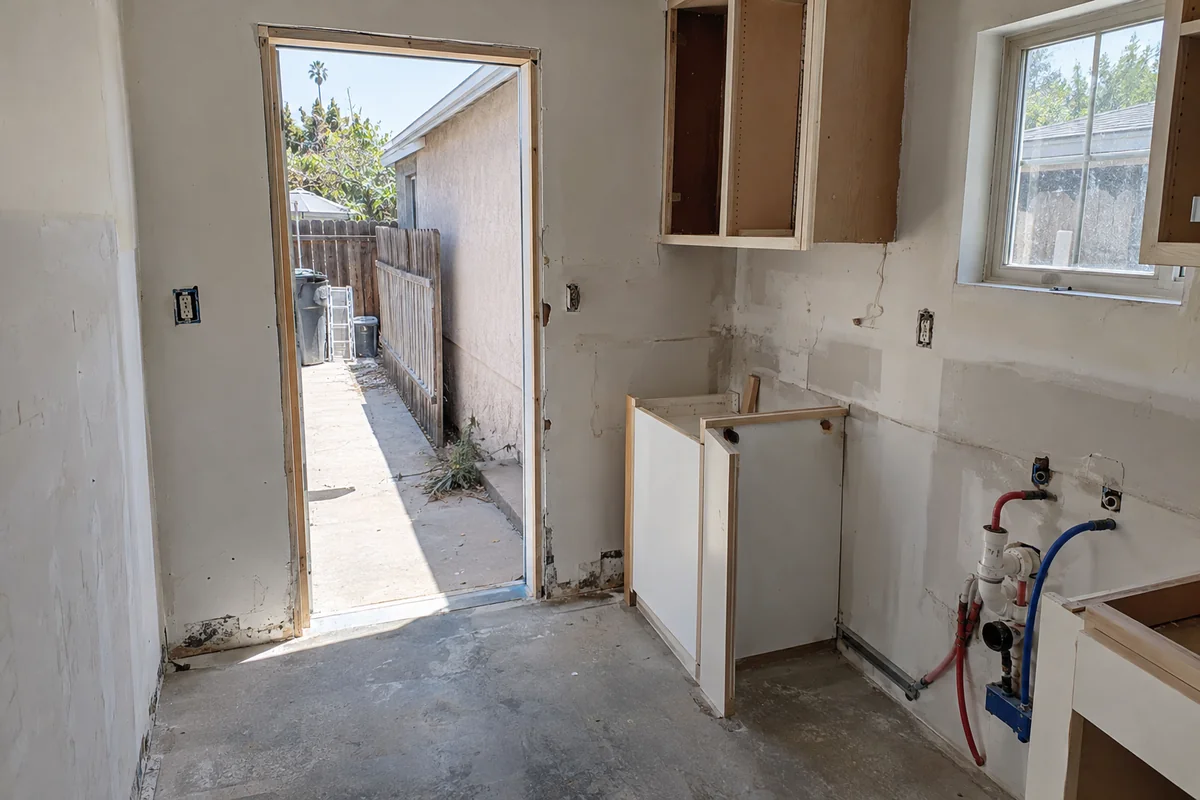
A JADU turns a bedroom or an attached garage bay into a small home inside your house. Learn the 500 square foot rules before you call.
More on junior adu (jadu) conversions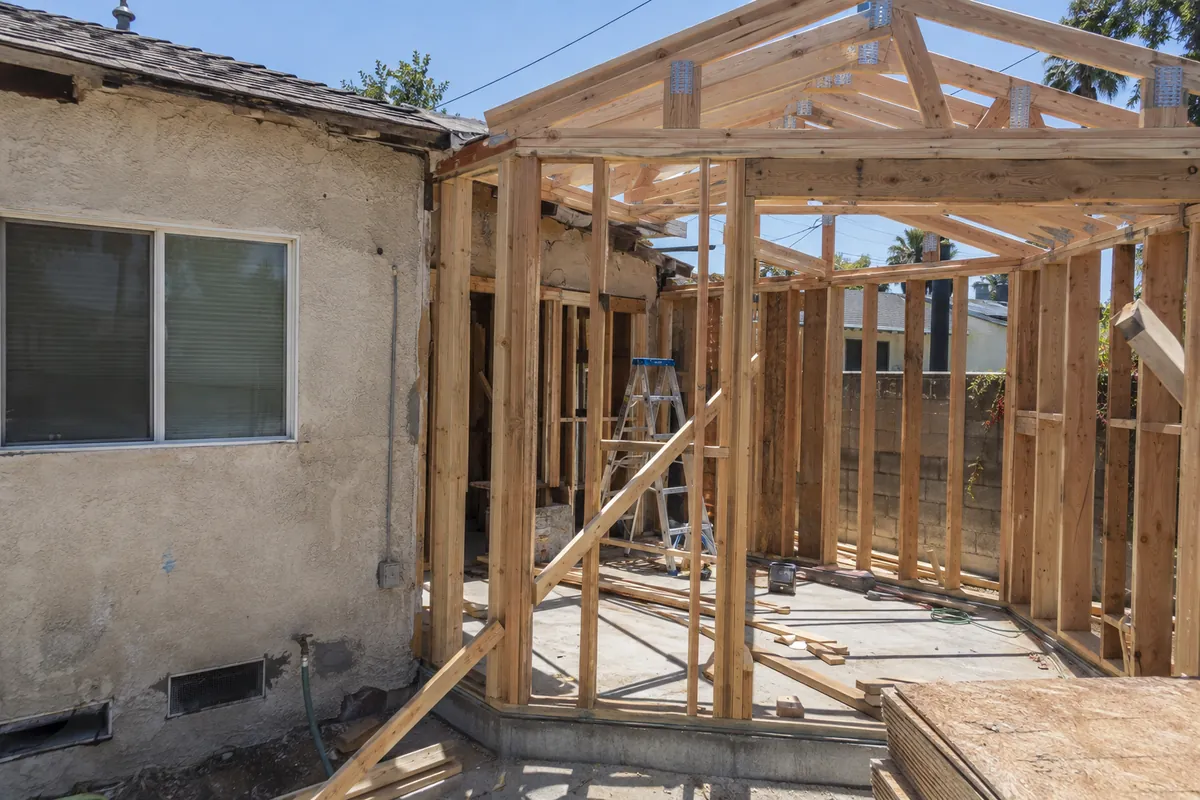
A unit that shares one wall with your house and has its own door. When it fits your lot, what the tie-in involves, and what it runs.
More on attached adu additions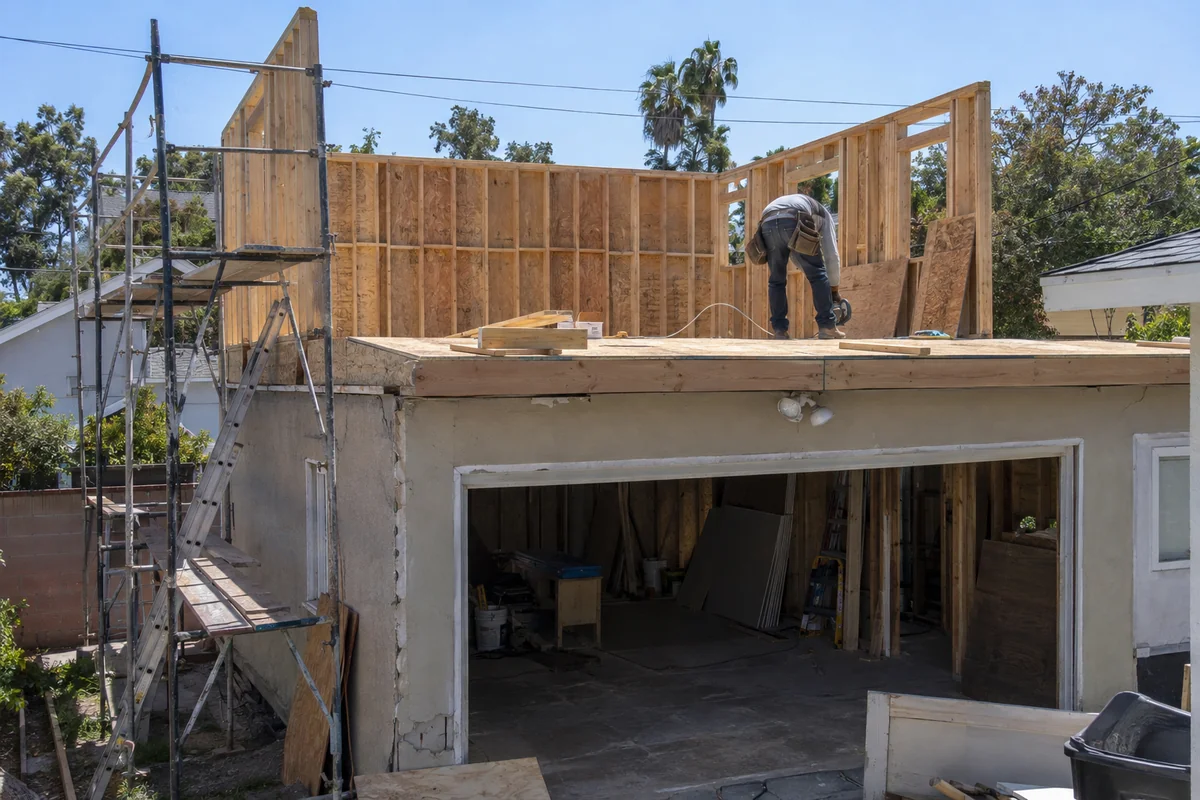
Build up and the yard stays a yard. What the old garage has to carry, how high you can go, and what the neighbors will see.
More on second-story adus over a garage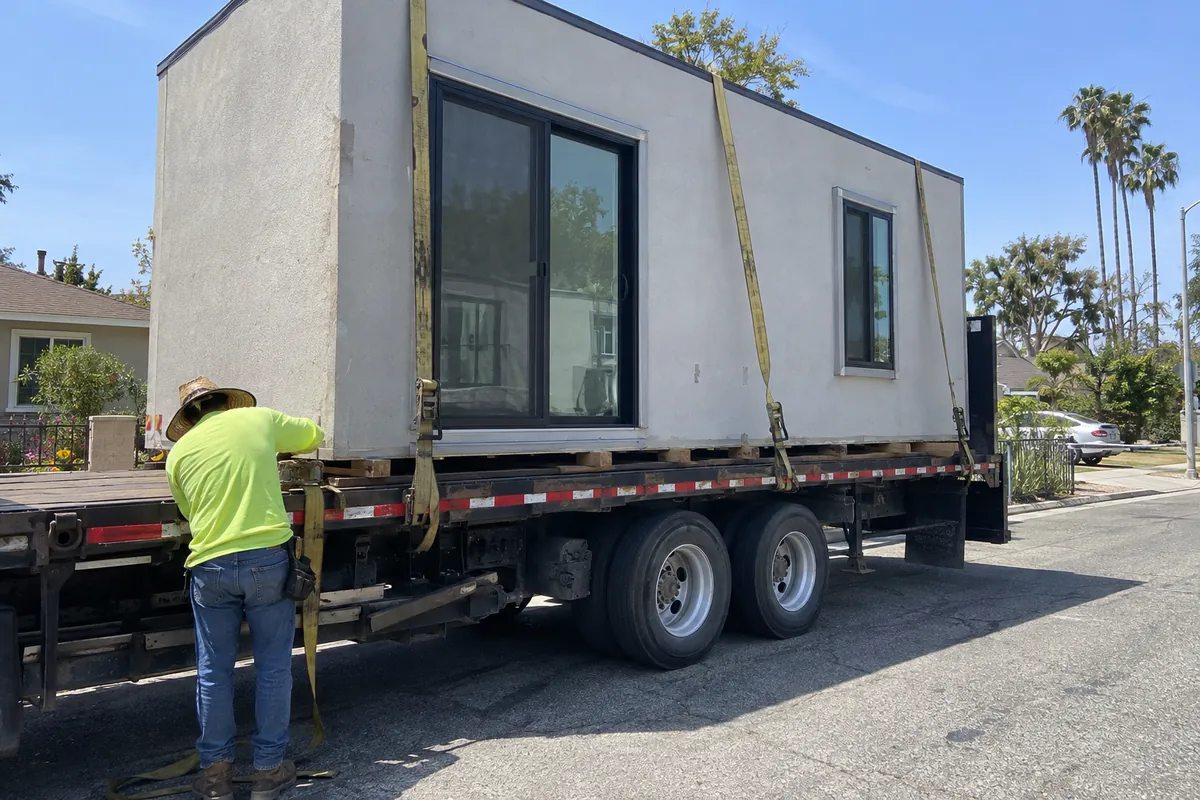
A factory-built unit still needs a foundation, hookups and plan check. What the unit price leaves to your lot, and when prefab fits.
More on prefab and modular adusFrom first phone call to a written price in three moves.
Give us the address, the space you have and who the unit is for.
We look at the lot, access and utilities and tell you which kind of ADU fits.
You get the scope and price on paper before any work starts.
What you get when you ask us first.
No price over the phone for a build. Setbacks, slope, utilities and access move the number, so we check them first.
Each rule on this site links to HCD, LADBS or the city that sets it, so you can check it yourself.
Every cost figure here is a planning range from published Los Angeles-area numbers, and we call it that.
A garage conversion often costs less than a new building. If a smaller job does it, we say so.
Family units and rental units run on different plans and different limits.
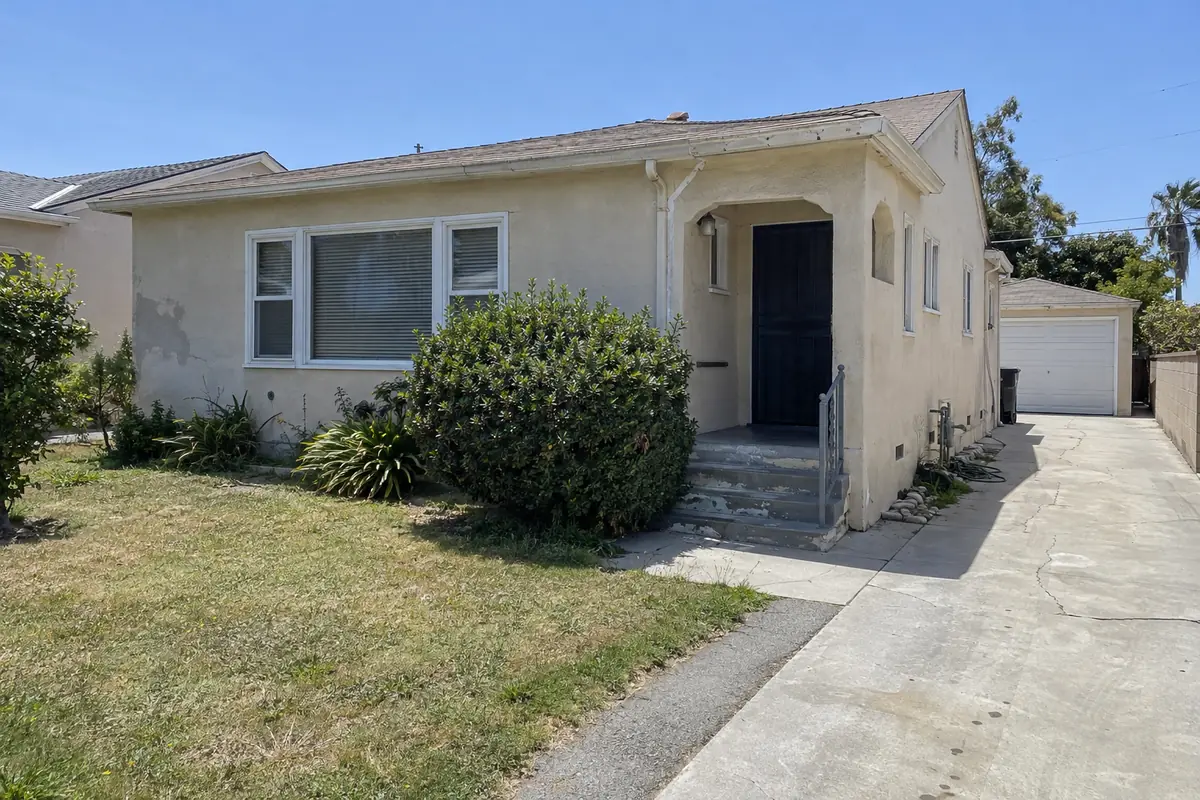
A unit for a parent, an adult child or a caregiver comes down to layout: a bathroom you can reach without stairs, a path from the street, a door that locks. A city cannot make an owner live on site for an ADU under California law; a JADU that shares the main house's bathroom is the exception (HCD ADU Handbook, March 2026). The size and the floor plan follow from who will live there.
Plan my backyard home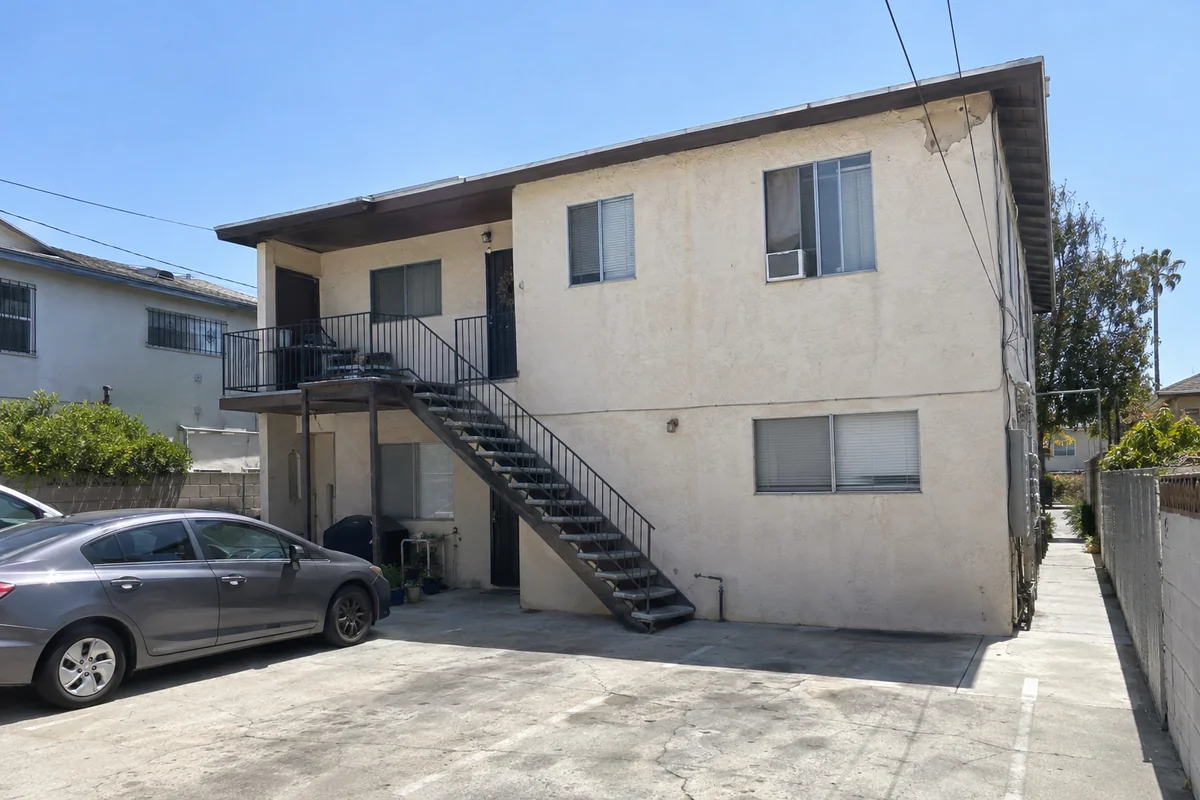
A rental unit has its own limits. A JADU and any ADU created under Government Code section 66323 may be rented only for terms longer than 30 days, and a separate sale is allowed only where a city has adopted a condominium ordinance (HCD ADU Handbook, March 2026). We tell you which rule applies before anyone draws a plan, because it decides how the unit can be used.
Plan my backyard homeA typical garage conversion turns storage into a studio or one-bedroom, with the separate electrical panel and water shut-off valve that LADBS requires for a converted building.
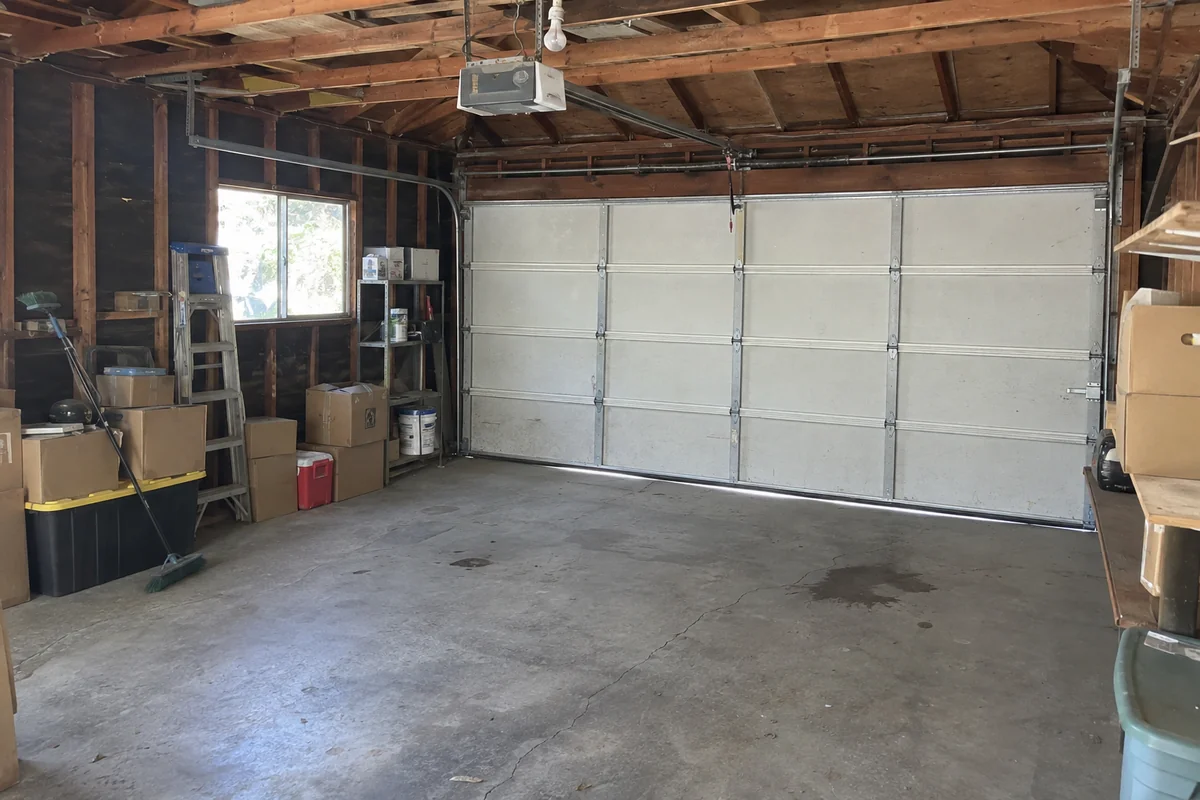
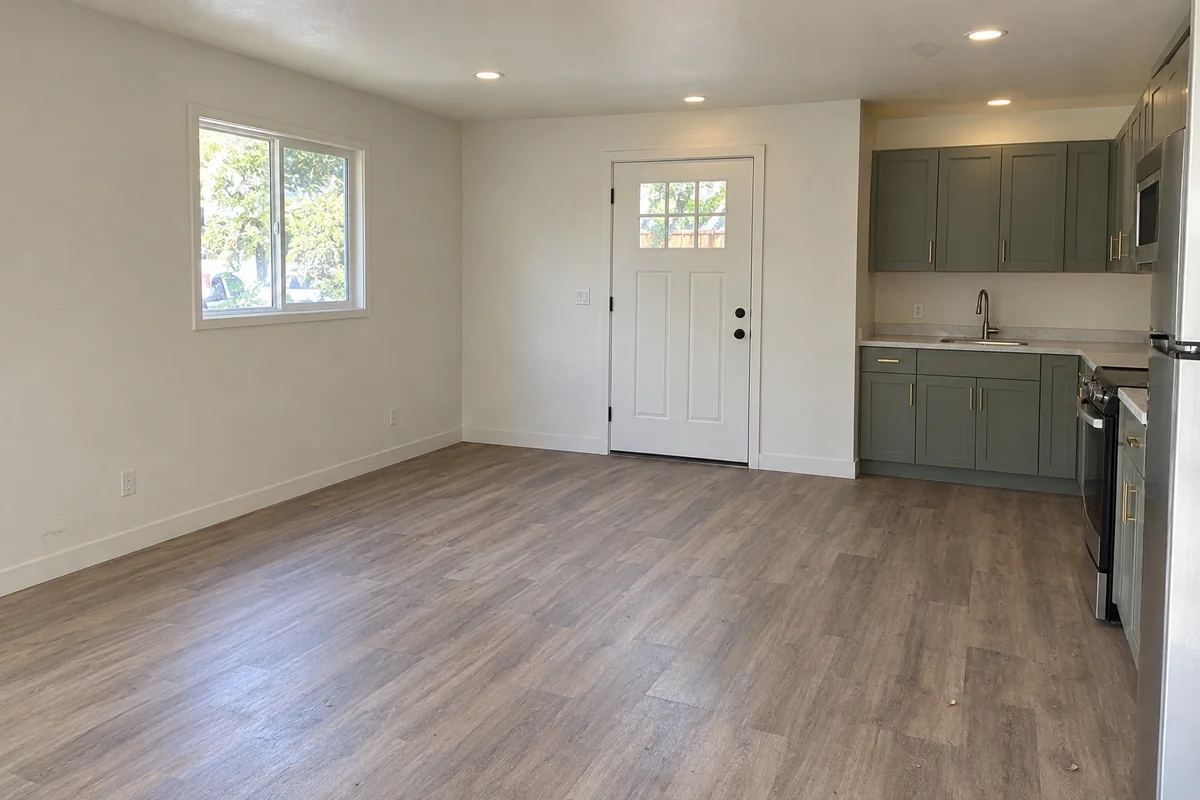 BeforeAfter
Example: what a typical garage conversion looks like
We take ADU calls from Los Angeles and five nearby cities: Glendale, Burbank, Pasadena, Santa Monica and Long Beach. Each city sets its own limits on size, height and historic or coastal review.
More answers on the questions page.
For a lot with a house already on it, the city has 60 days from a complete application to approve or deny. Any denial has to list in writing what is deficient and how to correct it (HCD ADU Handbook, March 2026). The clock runs on the city's review only. Drawings, correction rounds and utility clearances happen outside it, so a first call about timing should cover those too.
State law bars a city from requiring owner-occupancy for an ADU (Government Code 66315). A JADU is the exception: owner-occupancy applies when it shares a bathroom with the main house (HCD ADU Handbook, March 2026). Your city's own ordinance sits on top of that, so we check it for your address. Rental limits are a separate question, and the questions page covers them.
On the planning ranges, usually. A garage conversion runs $100,000 to $220,000 for a 350 to 500 square foot garage, and a new 600 square foot detached unit runs $180,000 to $300,000. The ranges overlap, and a garage with a failing slab or a full electrical panel can close the gap. Both are planning ranges from published Los Angeles-area figures.
Your address and the space you would use, such as a garage, a yard, a spare room or a unit with no permit, are enough to start. Call or email us with those, or try the picker near the top of this page. We come back with the kinds of ADU that fit and the rules that apply, and a site visit comes next.
It can. Census Bureau figures put the median Los Angeles home at 1965 and show 69.9% of homes built before 1980. Older houses often have older electrical panels and sewer lines, so a new unit may need an upgrade. Usually the panel and the sewer line. We look at both first, and that is why a conversion can cost more than its range suggests.
Call or email your address and the space you have. A site visit comes before any price.