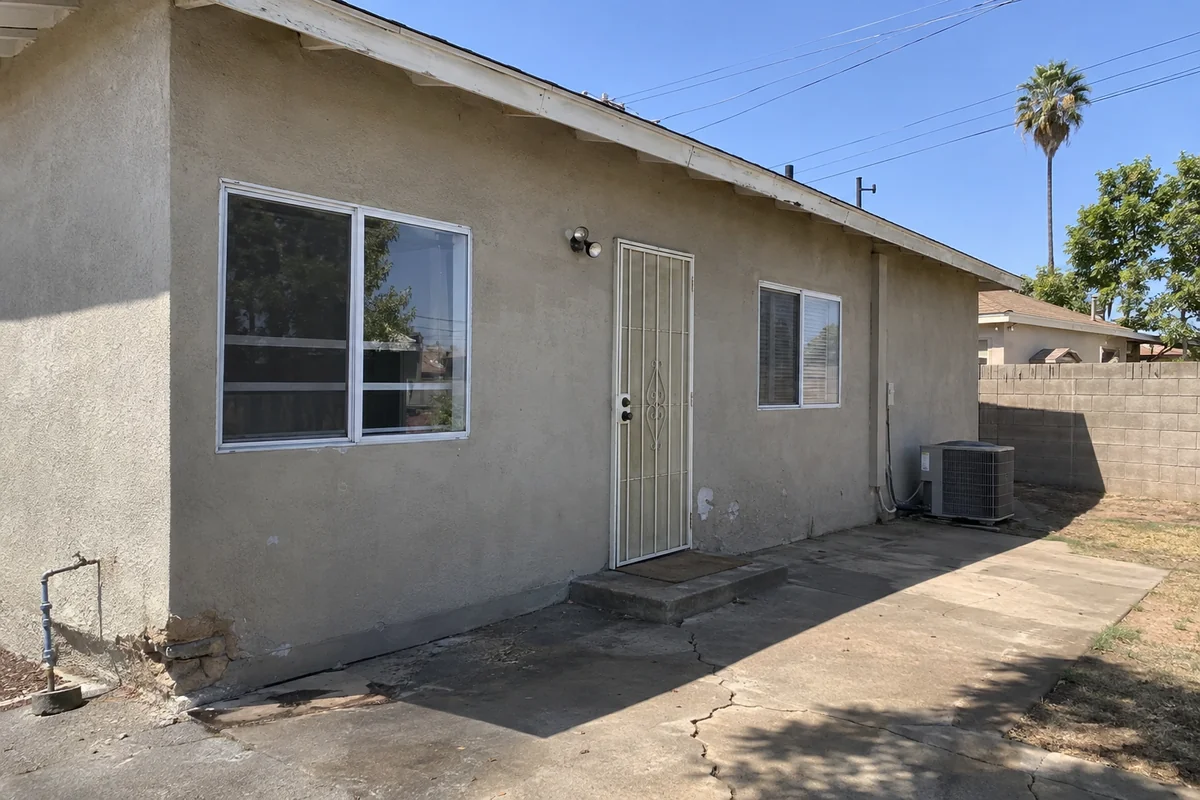
Corrections letter from the city
State law says a denial must list each defect and how to fix it, so the letter works as a task list.

A corrections letter is a to-do list, and plan check has an order. The written price follows a site visit.
The letter from the city lists what is wrong with your plans, and half of it reads like another language. That is the usual start of a call about ADU permits and plan check in Los Angeles, CA. The letter is less frightening than it looks. California law (HCD ADU Handbook, March 2026) requires the city to hand over, with any denial of a complete application, a written list of the deficiencies and the fix for each, so every line is a task with an answer.
Plan check is an order of operations. In Los Angeles that means sewer capacity approval from the Bureau of Engineering, hydrant and access approval from the fire department, zoning clearance from City Planning and a building review at LADBS (LADBS). A missing sheet in any one of them can stall the whole file.
We build the submittal in that order and answer each reviewer comment with a written reply and a revised sheet. You sign what the city requires and decide anything that changes the design. The rest is paper.
Permit questions reach us from Los Angeles and from Glendale, where the planning clearance step is gone, Pasadena, which publishes its plan check times, and Santa Monica, where a coastal parcel can need a Coastal Development Permit.
Most calls start at one of these six points, usually with a letter or a rejection in hand.
State law says a denial must list each defect and how to fix it, so the letter works as a task list.
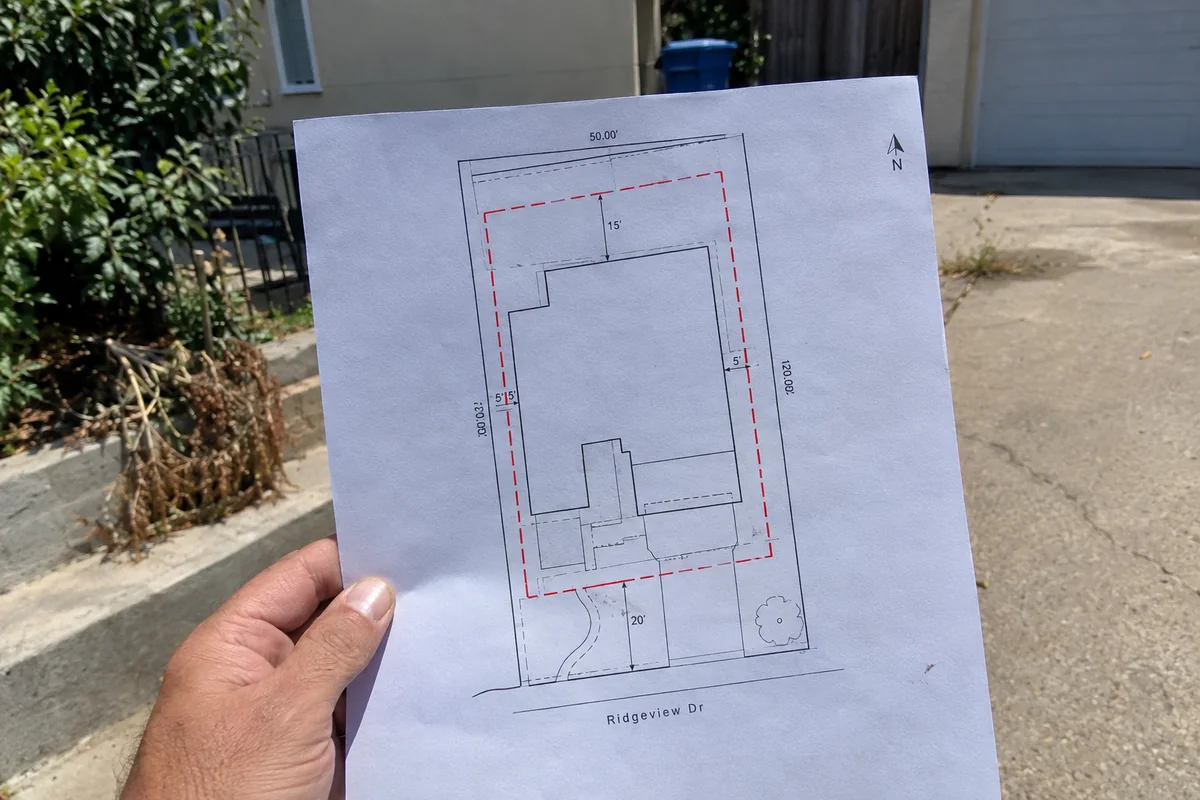
State law caps ADU side and rear setbacks at 4 feet, so a larger number is worth asking the city to cite.
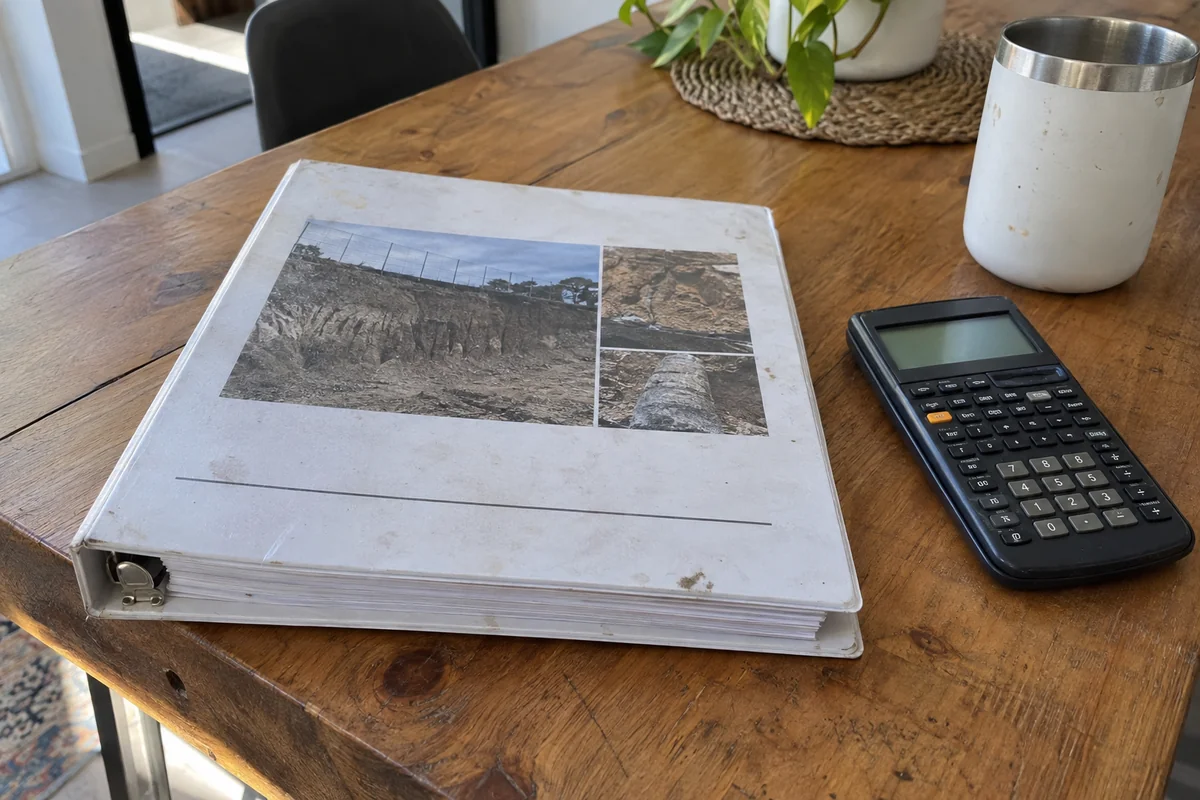
A geotechnical report is required in mapped hazard zones, and a missing report or energy sheet stalls review.
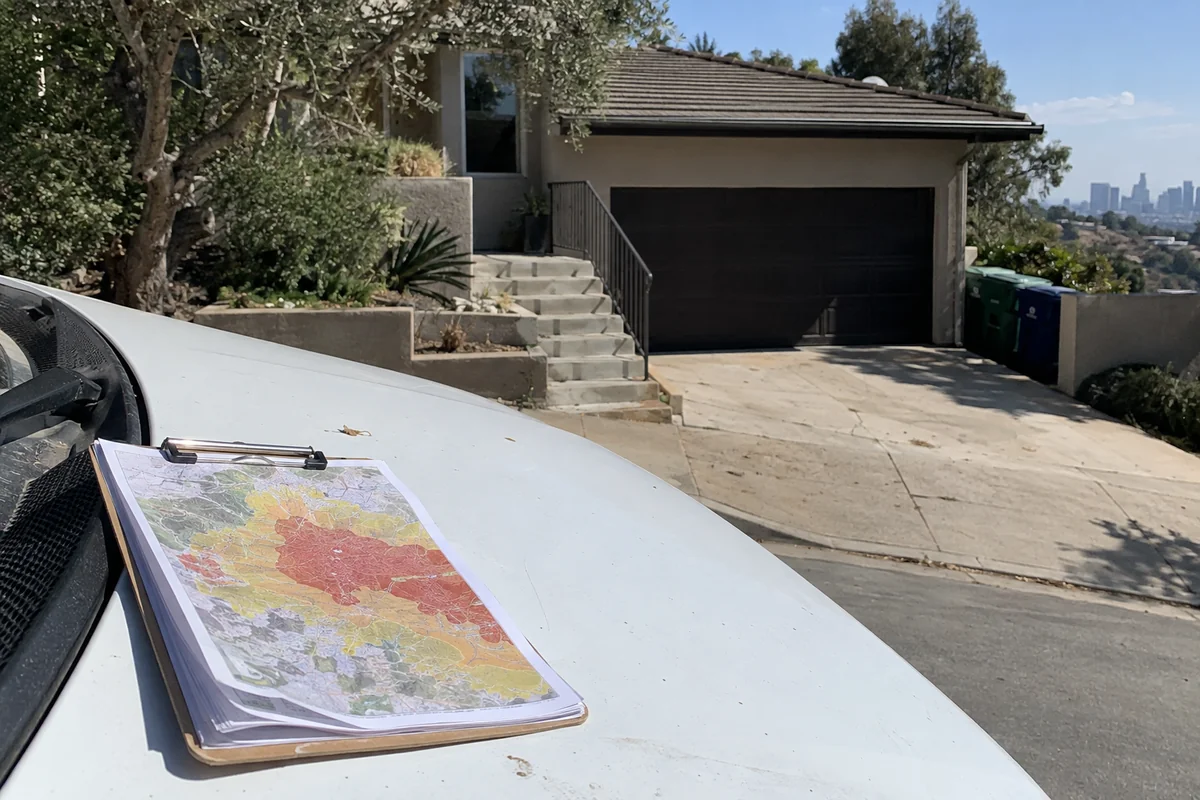
New buildings in designated fire zones follow ignition-resistant rules for roofs, vents and walls.
Burbank, Glendale, Long Beach, Los Angeles, Pasadena and Santa Monica each run their own ADU permit process.
How long a permit stays valid is set by the city, so ask for that date before work starts.
A permit reaches the owner who signs it and the renter who lives under its terms later.
For an owner the permit is the paper that makes the unit legal. Under the HCD handbook a city cannot make you live on the lot to have an ADU, and the one carve-out is the JADU whose bathroom is shared with the main house (HCD handbook). In Burbank a JADU also needs an owner-occupancy covenant. So the first job is knowing which kind of unit is in the plans before you sign the application.
Plan my backyard homeA tenant never sees the permit and still lives by it. ADUs created under section 66323 and every JADU can only be rented for terms longer than 30 days, so a short-term rental plan does not fit them. A unit cannot be sold apart from the house unless the city has adopted a condominium ordinance. In Santa Monica's R1 district an ADU option needs a recorded deed restriction for rental, or sale as a condominium.
Plan my backyard home
Plan check has four steps in most cities, though the offices and the waits change.
Los Angeles asks for sewer, fire access and zoning sign-offs, so we request them with the plans.
Plans go in through ePlanLA and PermitLA with an Angeleno account, or by appointment at a Development Services Center.
Each reviewer comment gets a written reply and a revised sheet, and then the set goes back in.
Fees are paid to the city at cost, the permit is pulled and the first inspection gets scheduled.
California gives a city 60 days to approve or deny a complete ADU or JADU application when the lot already has a single-family or multifamily home on it (Gov. Code 66317 and 66335, in the HCD handbook). The word that matters is complete, so what goes in on day one is worth getting right.
The list that comes with a denial is why we treat corrections as a checklist. For planning, think about two to four months from filing to approval, correction rounds included. The city sets that schedule, and the rounds are what stretch it past the 60 days.
Los Angeles files through ePlanLA and PermitLA, and its Standard Plan Program offers pre-approved plans that still get a final review (LADBS). The City's own bulletin lists ADUs as exempt from park fees and the affordable housing linkage fee.
Glendale dropped its separate planning clearance, so an ADU goes straight to a building permit application, and the City asks you to check easements with Glendale Water & Power (Glendale permit guidance). Its Standard ADU Plan Program states no review time.
Pasadena publishes numbers: 1 to 2 business days for completeness, about 3 to 4 weeks of plan check on a standard plan and about 2 weeks for each resubmittal (City of Pasadena). Burbank quotes 30 business days for a first review and 15 for rechecks, on its new-construction program only.
Santa Monica says a Coastal Development Permit or waiver may also be needed when the parcel is in the Coastal Zone (City of Santa Monica). Long Beach files a Certificate of Appropriateness for historic districts, and for the Coastal Zone an Administrative Local Coastal Development Permit, both alongside the building permit and neither with a public hearing (City of Long Beach).
Corrections come in rounds. Reviewers in different offices write their own comments, and some overlap, so the first job is a list that groups them by sheet. We answer the easy ones in one pass and call the reviewer about the odd ones, since a sentence of explanation can end a round that a drawing change would drag out.
Hillsides add paper. Los Angeles zoning text bars ADUs on a lot that is in a Hillside Area and also in a Very High Fire Hazard Severity Zone, but the City's own memo says the bar may not be enforced against state-protected ADU types (ZA Memo 143). The rule is tangled, so get the city's answer for your address in writing. Fire zones carry their own building rules, and vegetation work has to be done before final approval (State Fire Marshal).
Once the plans exist, the file has two halves, yours and ours.
Permit costs are mostly city fees, and the city sets those. These are planning ranges from published Los Angeles-area figures.
| Job | Figure |
|---|---|
| Permit and plan check fees, one ADU Government and school fees; size over 500 square feet, the city and hillside or coastal review move it, and expediting is extra | $5,000 to $20,000 |
| ADU design and floor plans The plan set that plan check reads; engineering and energy reports add to it | $7,500 to $25,000 |
| Drawings and permits to legalize a unit Fixes to bring the unit up to code come on top and may cost more than the permit fees | $10,000 to $40,000 |
| Design plus permit fees together Our addition of the first two ranges | $12,500 to $45,000 |
Yes. Once you have filed a complete application, state law requires the city to spell out the deficiencies in writing, along with the fix, when it denies. That list is the starting point for your corrections. Read each line, match it to a sheet and answer it in writing, and the next round starts from a short list.
Online. LADBS runs plan check and permits through ePlanLA and PermitLA, and both need an Angeleno account. In-person service is by appointment at a Development Services Center. Outside the City of Los Angeles, your own city's building department takes the filing, and Glendale, Burbank, Pasadena, Santa Monica and Long Beach each have their own.
Sort the fees by who charges them. State law waives impact fees on an ADU of 750 square feet or less and on a JADU of 500 or less, and larger units pay in proportion to the main house. School fees are their own list, and Los Angeles applies LAUSD fees to ADUs over 500 square feet. Permit and plan check fees are different again, and everyone pays those.
It depends on where the lot sits. Inside a mapped liquefaction or earthquake-induced landslide zone, the city has to see a geotechnical investigation specific to the site before it permits most homes. An active fault adds its own 50-foot rule. Flat ground outside those zones may not need the report, and the city tells you which case your lot is.
They can. In a Pasadena historic district a new ADU is allowed only if the public right-of-way cannot see it. Glendale bars exterior changes that show from the street on historic properties. Santa Monica adds extra requirements only for properties on the California Register of Historical Resources. Ask which list your address is on before the plans are drawn.
About us. Eagle Rock Backyard Homes plans backyard homes for owners in Los Angeles and Los Angeles County. Scope and price are agreed in writing before any work starts. More about us.
Call Eagle Rock Backyard Homes with the address and the letter. The written price comes after a site visit.